
Get Electrical Line Trenching in Boise, ID
Electrical line trenching services help Boise property owners install, repair, or upgrade underground electrical lines safely and efficiently for various residential or commercial projects.
Electrical line trenching is a critical step for property owners in Boise, ID planning new electrical installations or upgrades. Proper trenching ensures that cables are safely and efficiently routed underground, protecting them from weather and physical damage while maintaining the integrity of the landscape. Whether installing new power lines for a residential addition, preparing for outdoor lighting, or upgrading existing infrastructure, reliable trenching services can help keep projects on track and compliant with local regulations.
For property owners exploring options for electrical trenching, comparing local contractors can provide valuable insights into available services and expertise. Many service providers in Boise specialize in trenching work, offering solutions tailored to the specific needs of each project. Continuing to explore your options can help identify experienced professionals capable of handling the scope of work, ensuring the project is completed safely and effectively.
- Residential Electrical Line Trenching - needed when installing new power lines for homes in neighborhoods like North End or Southeast Boise.
- Commercial Electrical Line Trenching - required for businesses upgrading or expanding electrical infrastructure in commercial districts.
- Underground Utility Line Installation - necessary for projects involving the placement of underground electrical cables in areas such as Boise's industrial parks.
- Emergency Power Line Repair - needed when existing electrical lines are damaged due to storms or accidents in local neighborhoods.
- New Construction Electrical Wiring - essential for builders wiring new homes, apartment complexes, or commercial buildings in Boise and surrounding areas.
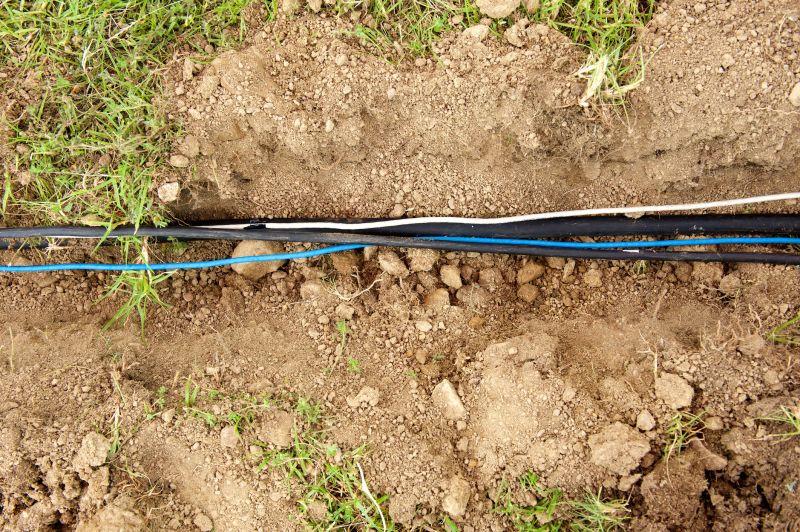
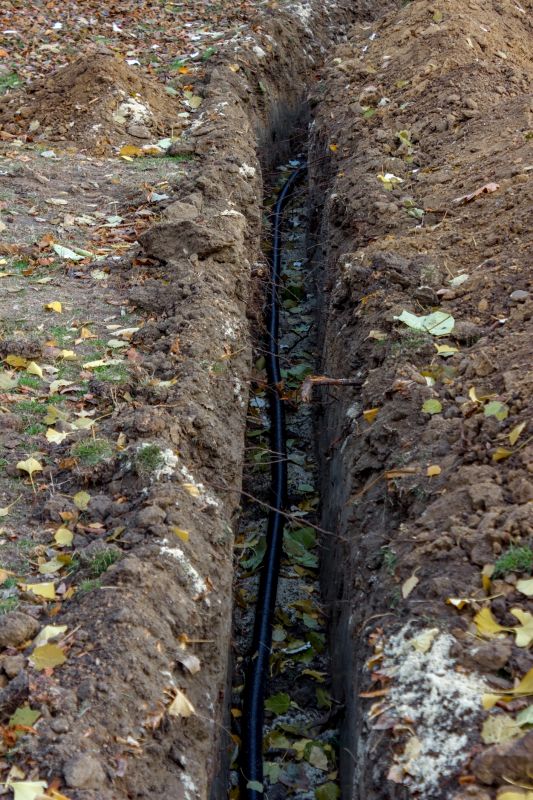
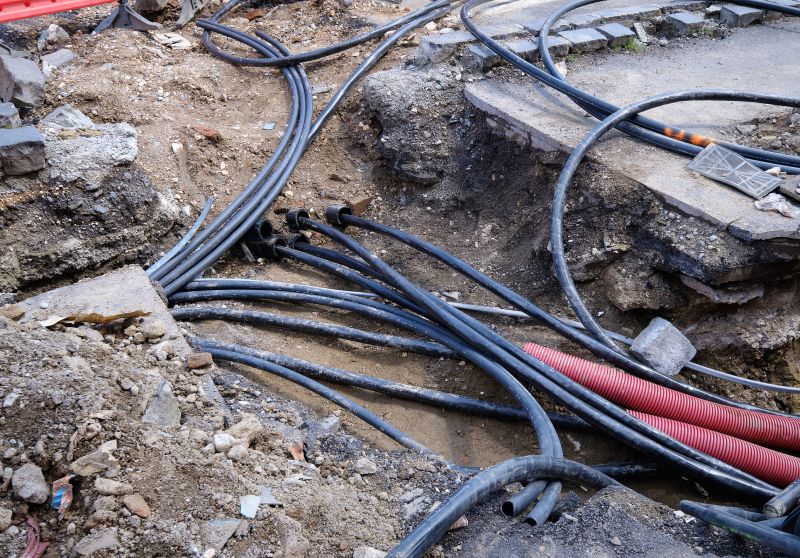
Electrical line trenching services involve digging narrow, precise channels in the ground to lay electrical cables and wiring. This process typically requires specialized equipment to carefully excavate trenches that are deep enough to protect underground wiring from damage and weather. Once the trenches are prepared, electricians or service providers install the necessary cables, ensuring they are securely placed and properly connected to the electrical system. This service is essential for establishing safe and reliable electrical connections for new installations, upgrades, or repairs on both residential and commercial properties.
One of the primary problems that electrical line trenching helps solve is the need for underground wiring that is protected from the elements and physical damage. It is often used when overhead power lines are not feasible or desirable, such as in areas with limited space or where aesthetic considerations matter. Trenching also addresses issues related to outdated or damaged wiring that may pose safety risks or cause electrical outages. By installing underground lines, property owners can achieve a cleaner appearance and reduce the risk of accidental damage caused by falling trees, weather events, or landscaping activities.
Properties that typically require electrical line trenching include new construction sites, where electrical service needs to be connected from the street to the building. It is also common for homeowners upgrading their electrical systems or adding outdoor features like pools, lighting, or landscaping that require underground wiring. Commercial properties, such as retail stores or office buildings, often need trenching for parking lot lighting, signage, or backup power systems. In rural or suburban areas, trenching may be necessary to extend electrical service to distant or hard-to-reach locations, ensuring reliable power supply for various property types.
Homeowners and property managers may need electrical line trenching services when planning significant electrical upgrades or new outdoor installations. If existing overhead lines are no longer practical or safe, trenching provides a long-term solution by moving wiring underground. It is also useful for resolving issues caused by damaged or deteriorating wiring that can lead to electrical faults or safety hazards. By working with experienced service providers, property owners can ensure that the trenching and wiring installation are handled correctly, helping to maintain a safe, functional electrical system tailored to the property’s specific needs.
The overview below groups typical Electrical Line Trenching projects into broad ranges so you can see how smaller, mid-sized, and larger jobs often compare in Boise, ID.
In many markets, a large share of routine jobs stays in the lower and middle ranges, while only a smaller percentage of projects moves into the highest bands when the work is more complex or site conditions are harder than average.
Smaller Repairs - Typical costs for minor electrical line trenching projects in Boise often range from $250 to $600. Many routine jobs, such as replacing or extending existing lines, fall within this middle range. Fewer projects tend to push into the higher end of the spectrum.
Standard Installation - For standard trenching work to install new electrical lines for residential properties, local contractors usually charge between $1,000 and $3,000. Larger, more complex installations can reach $4,000 or more depending on the scope.
Full Line Replacement - Replacing existing electrical lines across a property typically costs between $3,500 and $8,000. These projects are less common but involve significant trenching and wiring work, often pushing into higher price ranges.
Large-Scale Projects - Extensive trenching for commercial or multi-unit developments can exceed $10,000, with some complex jobs reaching $20,000+ depending on length, depth, and site conditions. Most local contractors handle projects within a broad range, with very large jobs being less frequent.
Actual totals will depend on details like access to the work area, the scope of the project, and the materials selected, so use these as general starting points rather than exact figures.
Underground Utility Installation - local contractors experienced in trenching can handle the installation of underground electrical, water, or communication lines for various infrastructure projects.
Roadway and Parking Lot Excavation - similar trenching skills are used to create pathways for electrical conduits or drainage systems in roadway and parking lot construction.
Telecommunications Cable Laying - service providers skilled in trenching can assist with installing fiber optic and communication cables beneath the surface for residential or commercial properties.
Irrigation System Installation - trenching expertise is essential for laying underground sprinkler lines and irrigation pipes in landscaping projects.
Foundation and Basement Excavation - contractors familiar with trenching can prepare sites for foundation work, ensuring proper placement of electrical or plumbing lines.
Renewable Energy Infrastructure - trenching services are used for installing underground wiring for solar panel arrays or wind turbines in large-scale energy projects.
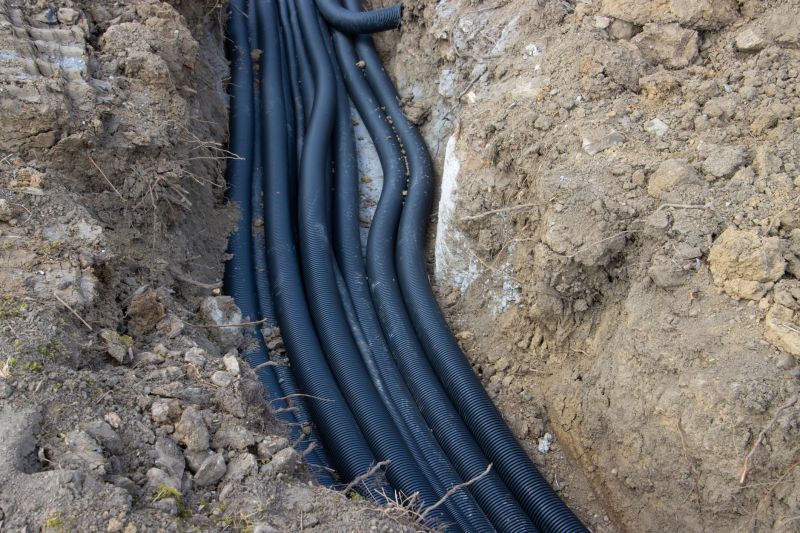
When evaluating electrical line trenching service providers in Boise and nearby areas, it’s important to consider their experience with similar projects. Homeowners should inquire about how long a contractor has been performing trenching work and whether they have a proven track record with projects comparable in scope and complexity. A contractor’s familiarity with local regulations, soil conditions, and utility requirements can make a significant difference in ensuring the job is completed smoothly and effectively. By focusing on local contractors who have demonstrated expertise in similar projects, homeowners can gain confidence that the service provider understands the unique challenges of the area.
Clear and detailed written expectations are essential when comparing electrical line trenching services. Homeowners should seek out providers who can offer transparent descriptions of their process, including what the project will entail, the materials used, and any necessary preparations or follow-up steps. This clarity helps prevent misunderstandings and ensures that all parties are aligned on the scope of work. Reputable service providers often provide comprehensive written estimates or project outlines, which can serve as a useful reference when making comparisons between different local contractors.
Good communication and reputable references are key factors in selecting a reliable electrical line trenching contractor. Homeowners are encouraged to ask for references from previous clients or review any available testimonials to gauge the quality of past work and customer satisfaction. Effective communication throughout the project-such as responsiveness to questions and clarity about progress-also indicates a contractor’s professionalism and commitment to client needs. Since this site introduces homeowners to local options rather than performing the work directly, taking the time to verify a provider’s reputation and communication style can help ensure a successful project outcome.
Property owners in Boise, ID use Electrical Line Trenching services for practical projects around their homes and businesses. This guide focuses on everyday jobs and straightforward project options.
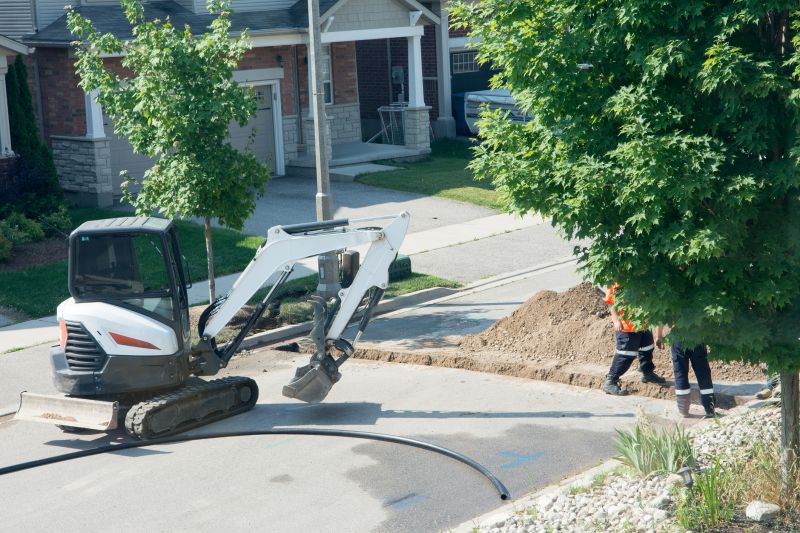
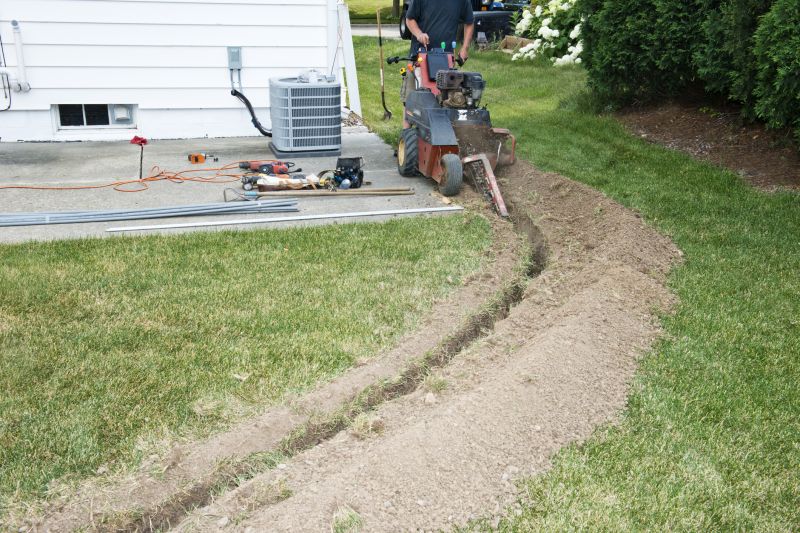
Electrical line trenching services are often needed when property owners in Boise, ID, are planning new outdoor lighting, installing electric fences, or setting up additional power sources for workshops or garages. These projects typically require careful digging to lay underground cables safely and efficiently, ensuring that electrical lines are protected from future damage or interference. Local contractors can handle these trenching tasks, helping property owners prepare their land for electrical upgrades or new installations with minimal disruption.
Homeowners and business owners in Boise may seek electrical line trenching when upgrading existing electrical systems or connecting new structures to the main power supply. Whether it's preparing for a backyard renovation, installing a new pool, or expanding commercial facilities, trenching ensures that electrical lines are properly routed underground. Service providers in the area can assist with these projects, providing the necessary trenching work to support various electrical needs around residential and commercial properties.
What is electrical line trenching? Electrical line trenching involves digging narrow channels in the ground to lay electrical cables safely and securely underground.
Why is trenching necessary for electrical lines? Trenching helps protect electrical cables from damage, reduces tripping hazards, and provides a neat, organized installation for power or communication lines.
What types of trenching methods do local contractors use? Contractors may use various methods such as hand trenching, machine trenching, or plowing, depending on the project requirements and site conditions.
How deep should electrical lines be buried during trenching? Typically, electrical lines are buried at depths specified by local codes, often around 18 to 24 inches, to ensure safety and compliance.
What factors should be considered when planning electrical trenching? Factors include soil type, existing underground utilities, project scope, and local regulations to ensure proper installation and safety.
Prepare for outdoor lighting installations - trenching services can create a pathway for wiring to add landscape or security lighting around a property.
Install new electrical outlets in the yard - trenching allows for the safe placement of outlets for outdoor appliances or holiday decorations.
Upgrade or extend electrical systems - property owners can use trenching to run new wiring when expanding or improving existing electrical setups.
Set up underground power for recreational areas - trenching services support the installation of electrical lines for pools, sheds, or outdoor kitchens.
If you are thinking about Electrical Line Trenching for a property in Boise, ID, this guide is meant to help you understand the work, the typical project types, and how different options might fit your plans.
When you are ready, you can use the quote form on this page to share a few details about your project. From there, local pros can review the basics and respond with options that match what you have in mind.