
Optimal Timing for Martial Arts Gradings
Gradings are an essential part of martial arts progression, serving as formal assessments to evaluate skill levels and knowledge. Timing of gradings can impact a student's development, motivation, and readiness for higher ranks. Understanding the optimal periods for gradings ensures that practitioners are adequately prepared and that the process remains effective and meaningful.
Many martial arts schools schedule gradings at consistent intervals, such as every three or six months, to maintain progression and motivation.
Gradings are best held once a student demonstrates mastery of required techniques and knowledge for their current rank.
Timing gradings before competitions can boost confidence and showcase skills in a formal setting.
Certain times of year, such as after holiday breaks or during specific training camps, may be ideal for conducting gradings.

Students demonstrating techniques during a grading.

A student performing techniques under exam conditions.

Instructor guiding students through grading requirements.
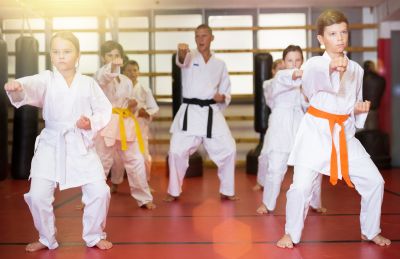
Students receiving their new belt after a grading.

Multiple students participating in a grading session.

Practicing techniques before a grading.

Instructor observing student performance.

Students celebrating their achievements.
Focused training to prepare for gradings.

Practicing techniques independently.
| Timing Consideration | Recommended Period |
|---|---|
| Skill Mastery | Once techniques are consistently demonstrated |
| Training Cycles | At the end of each training cycle or belt level |
| Seasonal Timing | Post-holiday or seasonal breaks |
| Preparation Level | When students feel confident and prepared |
| Competition Schedule | Before or after major competitions |
| Instructor Assessment | Based on instructor’s evaluation of progress |
| Special Events | Before belt ceremonies or special tournaments |
Gradings serve as a milestone in martial arts training, marking progress and encouraging continued development. They provide a structured opportunity for practitioners to demonstrate skills, receive feedback, and set goals for future advancement. Regular assessments can improve technical proficiency, boost confidence, and foster discipline among students.
Statistics show that students who participate in regular gradings tend to progress faster and retain skills longer. Proper timing ensures that assessments are fair, comprehensive, and motivating, contributing to a positive training environment and sustained interest in martial arts.

Students receiving their belts after successful assessment.
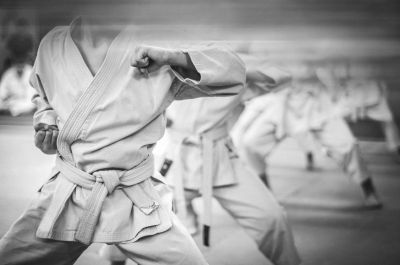
Practicing techniques under instructor supervision.

Performing techniques during a grading.

Students celebrating after grading success.
Interested practitioners are encouraged to contact for more information on scheduling gradings and preparing for assessments. Proper timing and preparation can enhance the experience and ensure meaningful progress in martial arts training.